Samedoc / Visa document translation
Translate your visa documents. Keep every number.
Payslips, bank statements, police certificates and birth certificates, translated into English in the same layout as the original. Stamps, tables and amounts stay in place, so the officer can check your translation against the original line by line.
What needs translating for a visa?
You need to translate every supporting document that is not in English, or in whatever language the embassy works in. The translation goes in next to a copy of the original. It has to be complete, including stamps, handwritten notes and the back of the page.
The US, UK, Canada and Australia each want a named translator to state that the translation is accurate. A raw machine translation is not enough by itself. A translation that keeps the original layout is faster for the translator to check and sign, and faster for the officer to verify.
Documents visas usually ask you to translate
Which documents you need depends on the visa type (work, student, family or visitor) and the country. These are the ones that show up on most checklists, with what to check in each translation.
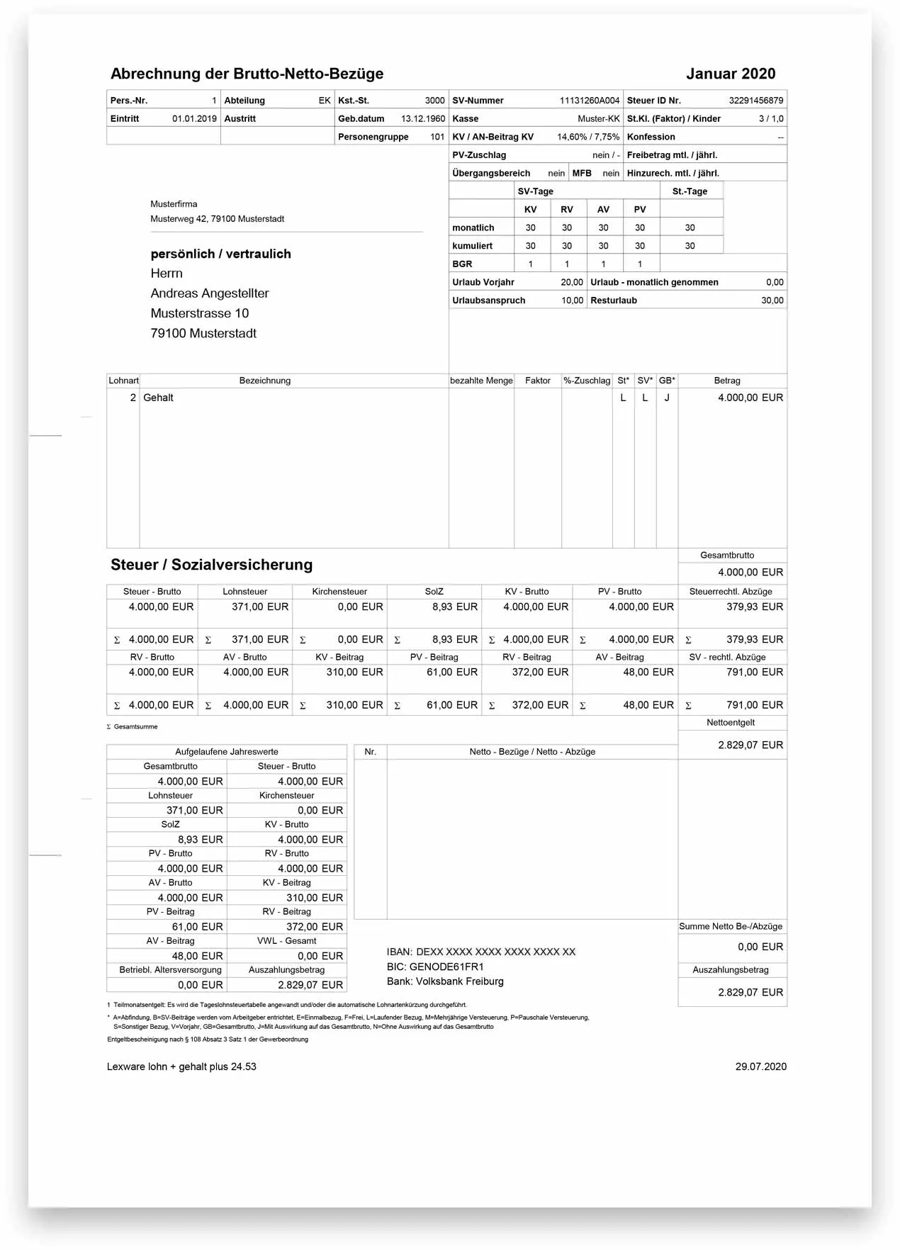
Payslips
These prove your income and that you are employed. Visas often ask for the last 3 to 6 months.
Check: gross pay, deductions and net pay match the original exactly, and the month and employer name are clear.
Bank statements
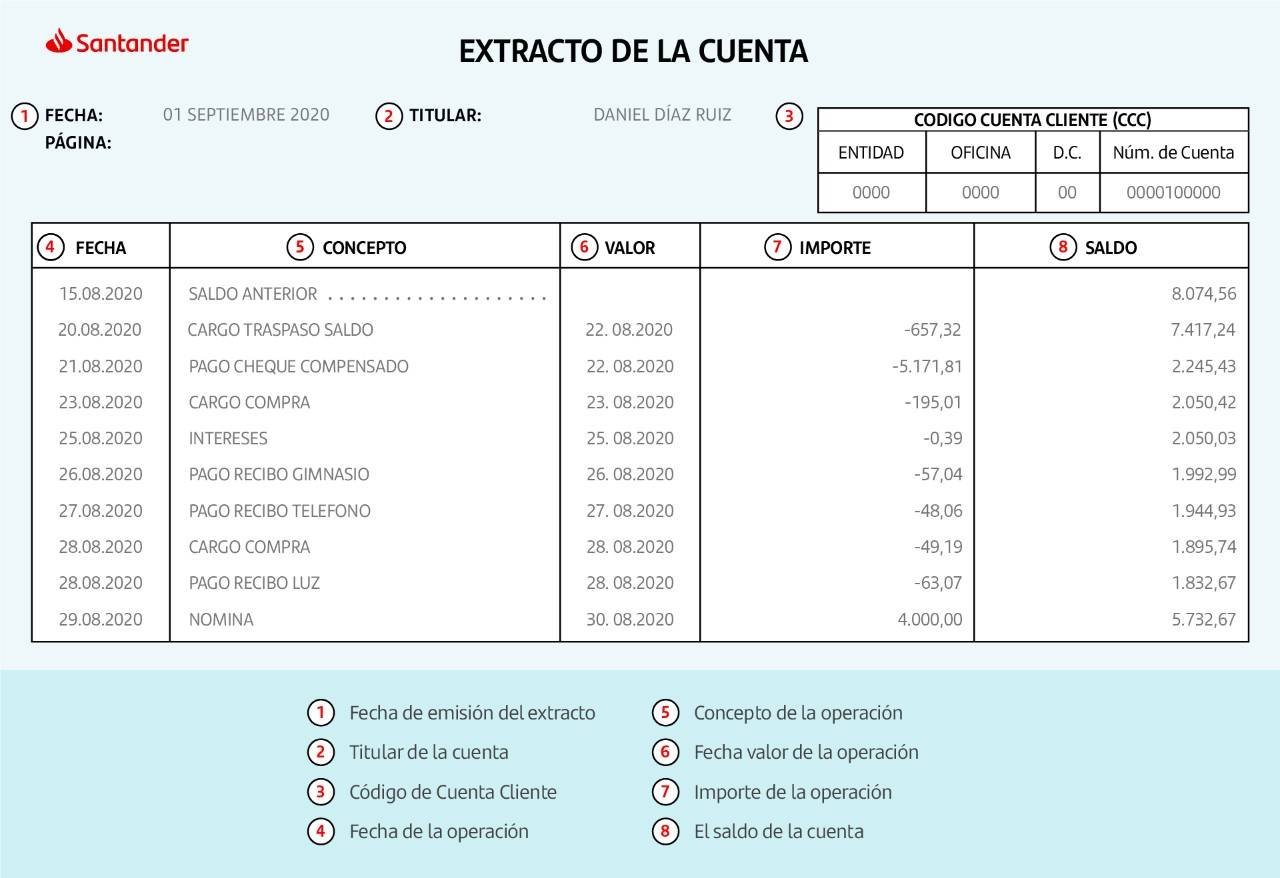
These show you can pay for the trip or the move. Visas usually ask for 3 to 6 months of history in your name.
Check: every balance and transaction amount, the dates, the account holder's name and the bank's stamp.
Police certificate
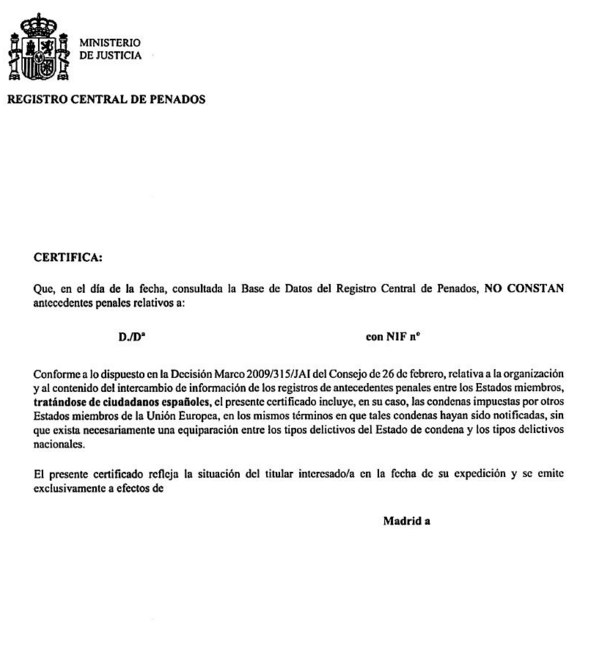
A criminal record check from each country you lived in, usually for 12 months or more. Required for most residence, work and family visas.
Check: the issuing authority, your ID number, the date of issue and any seal or signature.
Social security and benefit letters
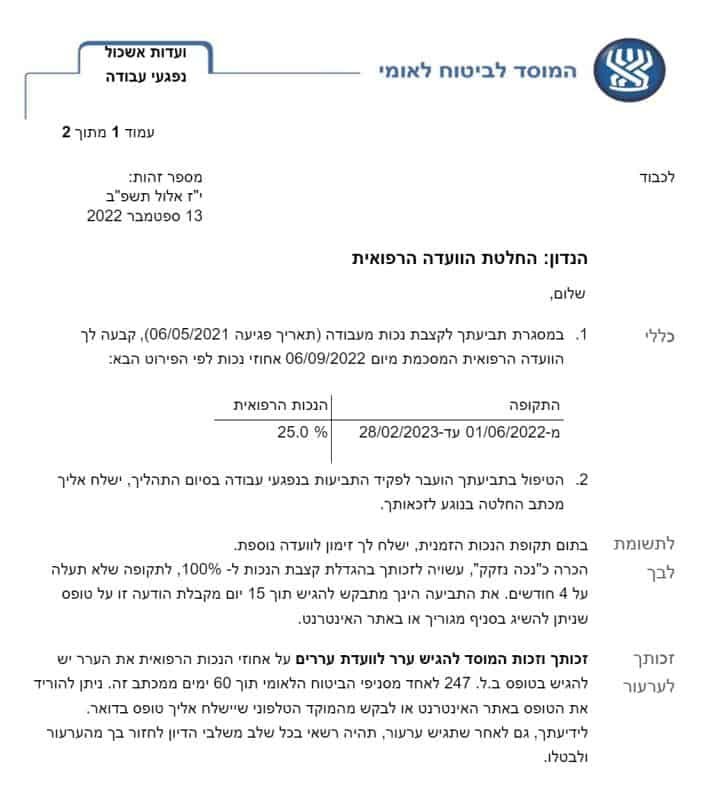
Letters about pensions, disability or unemployment benefits, for example from Israel's Bituah Leumi. They show income for retirees and people who receive benefits.
Check: the benefit amounts and percentages, the dates of each period and the reference number.
Employment letter
A letter confirming your role, salary, start date and approved leave. Visitor visas use it to show that you will come home.
Check: the salary figure, the dates and the signer's name and title.
Tax returns and tax certificates
Show annual income, mostly for self-employed applicants and for sponsors.
Check: every line amount and the tax year, which may follow a different calendar.
Birth certificate
Proves identity and family ties for family, spouse and child visas.
Check: names spelled as in your passport, the parents' names and the registration number.
Marriage or divorce certificate
Needed for spouse and partner visas and for name changes.
Check: the date and place of the marriage or divorce, both names and the registry stamp.
Diplomas and transcripts
For student and skilled worker visas, often together with a credential evaluation.
Check: the grades and the grading scale, the degree title and the institution's official name.
Property deeds and business registration
These show ties to your home country, or the business behind an investor visa.
Check: the registration numbers, the owners' names and the values.
Sponsor and invitation letters
From the family member or company inviting you, together with their own proof of income.
Check: the dates of the visit, the address and the sponsor's ID number.
Medical and vaccination records
Asked for by some countries and some visa types, or for children.
Check: the vaccine names, the dates and the clinic stamp.
Military service and name change records
Some forms ask about military service. A name change explains why your names differ between documents.
Check: the service dates, the rank and both the old and new names.
Translation rules by country
What each immigration authority asks the translation to include. Rules change, so check your own visa's checklist before you file.
| Country | Who can translate | What the translation needs | Source |
|---|---|---|---|
| United States (USCIS) | Anyone competent in both languages | A full English translation, plus the translator's signed statement that it is complete and accurate and that they are competent to translate. Notarization is not required. | 8 CFR 103.2(b)(3) |
| United Kingdom (UKVI) | A professional translator or translation company, not the applicant | A statement that the translation is accurate, the date, the translator's full name and signature, and their contact details. | GOV.UK visa guidance |
| Canada (IRCC) | A translator certified by a Canadian provincial or territorial association, or another translator with a sworn affidavit. Not the applicant or a family member. | The translation, a copy of the original and, if the translator is not certified, an affidavit sworn before a notary or commissioner of oaths. | canada.ca |
| Australia (Home Affairs) | A NAATI-certified translator if the translation is done in Australia. Outside Australia, a qualified translator. | The translator's full name, address, phone number, and qualifications and experience, all in English. | Australian Embassy |
| Schengen countries | Varies by consulate. Many ask for a sworn translator registered in that country. | Check the consulate's or visa centre's checklist. Some accept English documents without translation. | Your consulate |
Last checked: November 4, 2026. This is a summary, not legal advice.
How to get a visa-ready translation fast
Translators charge about $25 to $35 a page, and most of that time goes into rebuilding the page layout and retyping the numbers. Samedoc does that part in about a minute.
- Upload the originalA PDF, a scan or a phone photo. Hebrew, Arabic, Russian and other languages, including right-to-left pages.
- Get the same document in EnglishThe layout, tables, logos and stamps stay. Numbers, dates and IDs are copied from your file, never retyped, and then checked.
- Have it certified if your visa needs itSend the original and the Samedoc copy to a qualified translator to review and sign. Checking a finished translation takes them far less time than starting from scratch.
Questions
Which documents do I need to translate for a visa?
Every supporting document that is not in the language the embassy works in, usually English. For most visas that means payslips, bank statements, an employment letter, a police certificate, and birth or marriage certificates. Your passport bio page usually does not need one because it already has English.
Can I submit a machine translation with my visa application?
Not on its own for the US, UK, Canada or Australia. Each needs a named translator to sign a statement that the translation is complete and accurate, and Canada and Australia ask for an accredited translator or a sworn affidavit. Use Samedoc to get an English copy in the original layout, then have a qualified translator check and certify it.
Can I translate my own documents for a visa?
The UK, Canada and Australia do not accept translations by the applicant or family members. US regulations do not explicitly forbid it, but most immigration lawyers advise using someone else. When in doubt, use an independent translator.
Do I need to send the original document with the translation?
Yes. Every country covered here asks for a copy of the original next to the translation, so the officer can compare them. A translation that keeps the original layout makes that comparison quick.
Does the translation need to be notarized?
Usually not. The US and the UK ask for a signed translator statement, not a notary. Canada asks for a sworn affidavit only when the translator is not certified by a Canadian translators' association. Schengen consulates differ: many ask for a sworn translator, so check your consulate's checklist.
What happens to my documents after I upload them?
They are used only to make your translation, then deleted after 24 hours. See the privacy policy.
Start with your payslip or bank statement
The first pages are free. You get a PDF in the same layout as your original.